PHOTO ESSAY: The Last Bookbinders of Florence
The Workshop
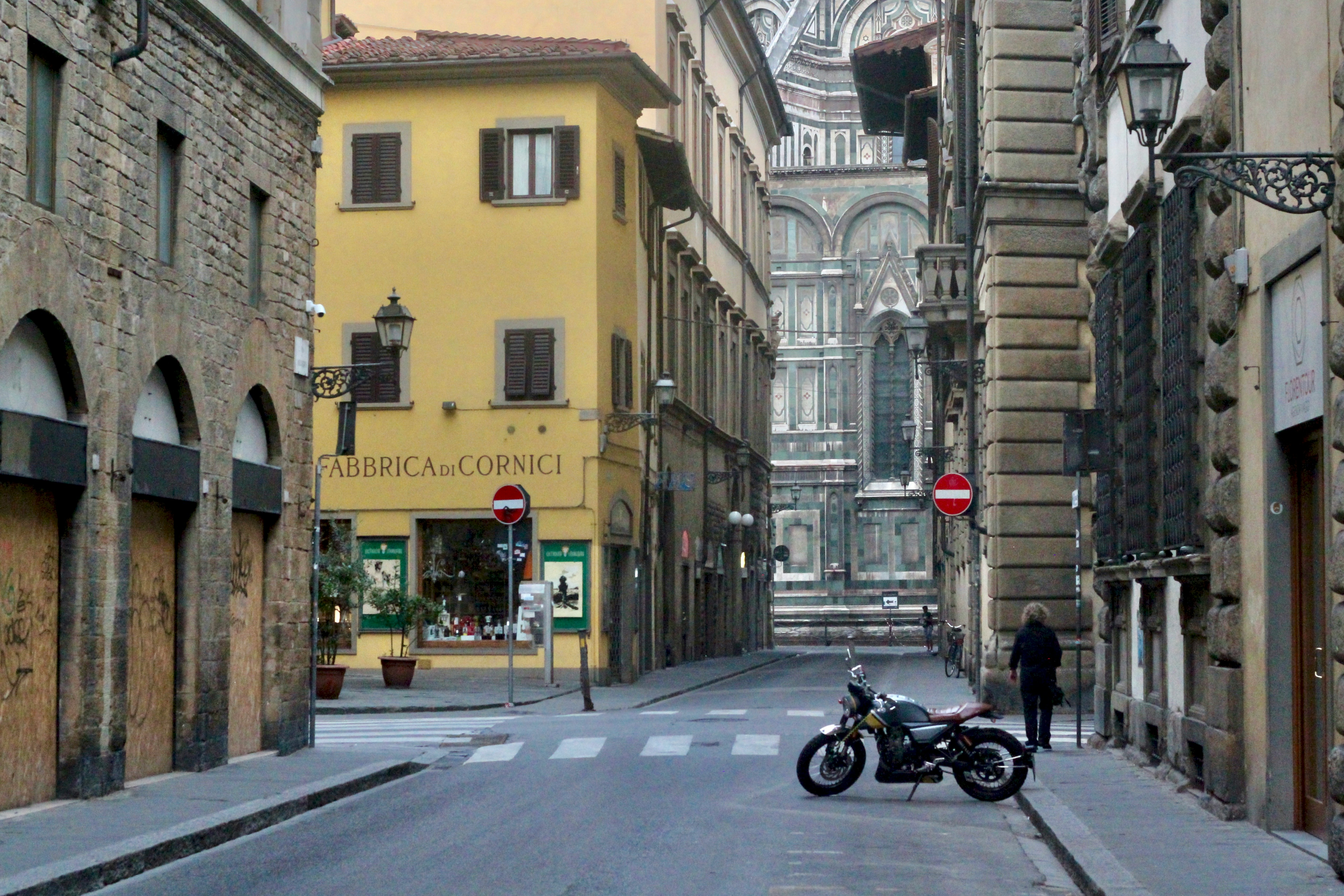
Via dei Velluti, 7:30 AM. Roberto unlocks a door that's been opened six days a week since 1856. The smell hits first – leather, glue, paper, and something older. Time, maybe.
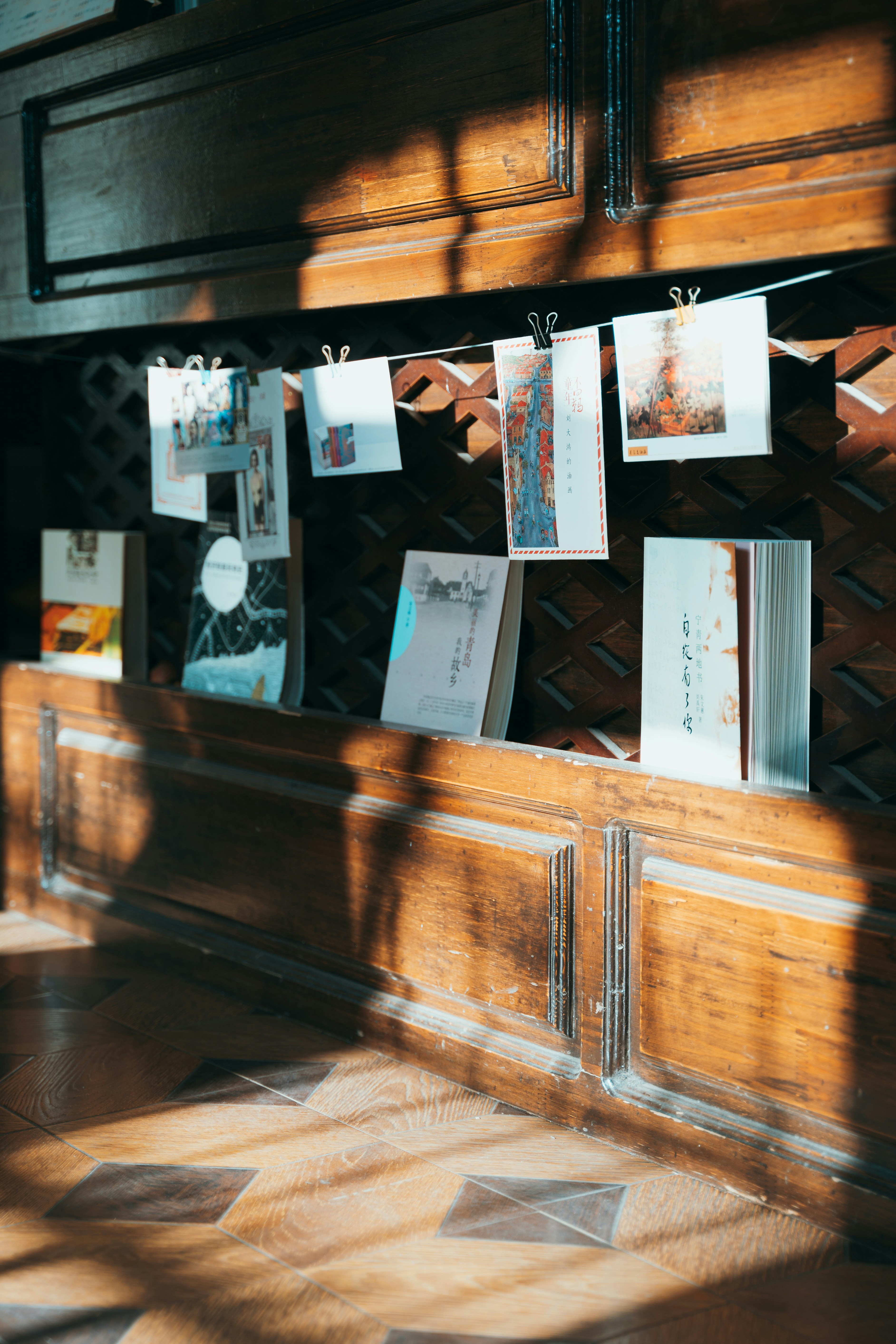
The workshop hasn't been renovated because it doesn't need to be. The bench is worn smooth where five generations of Bianchi arms have rested. The tools hang on the same hooks. The leather scraps pile in the same corner.
The Tools
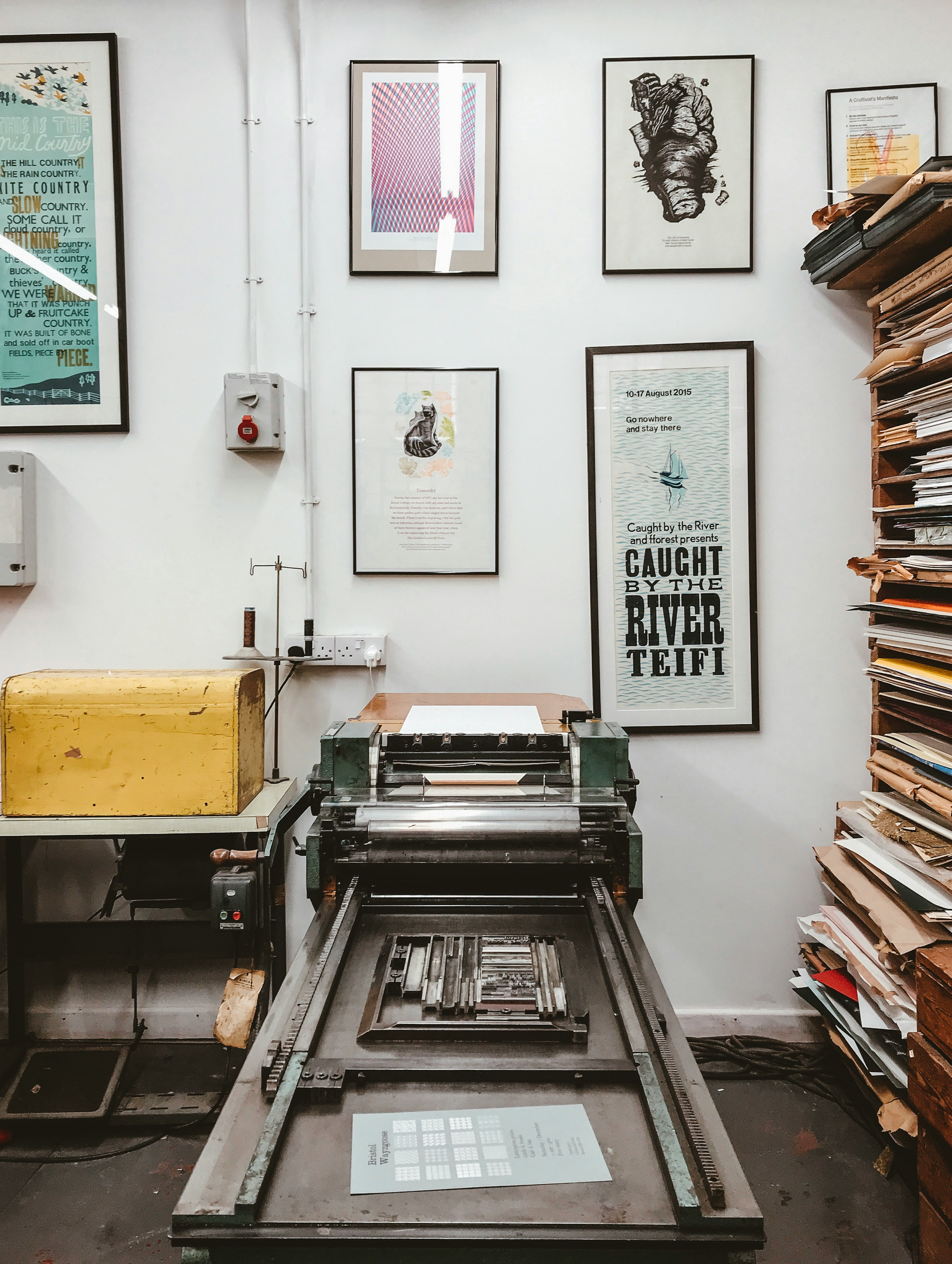
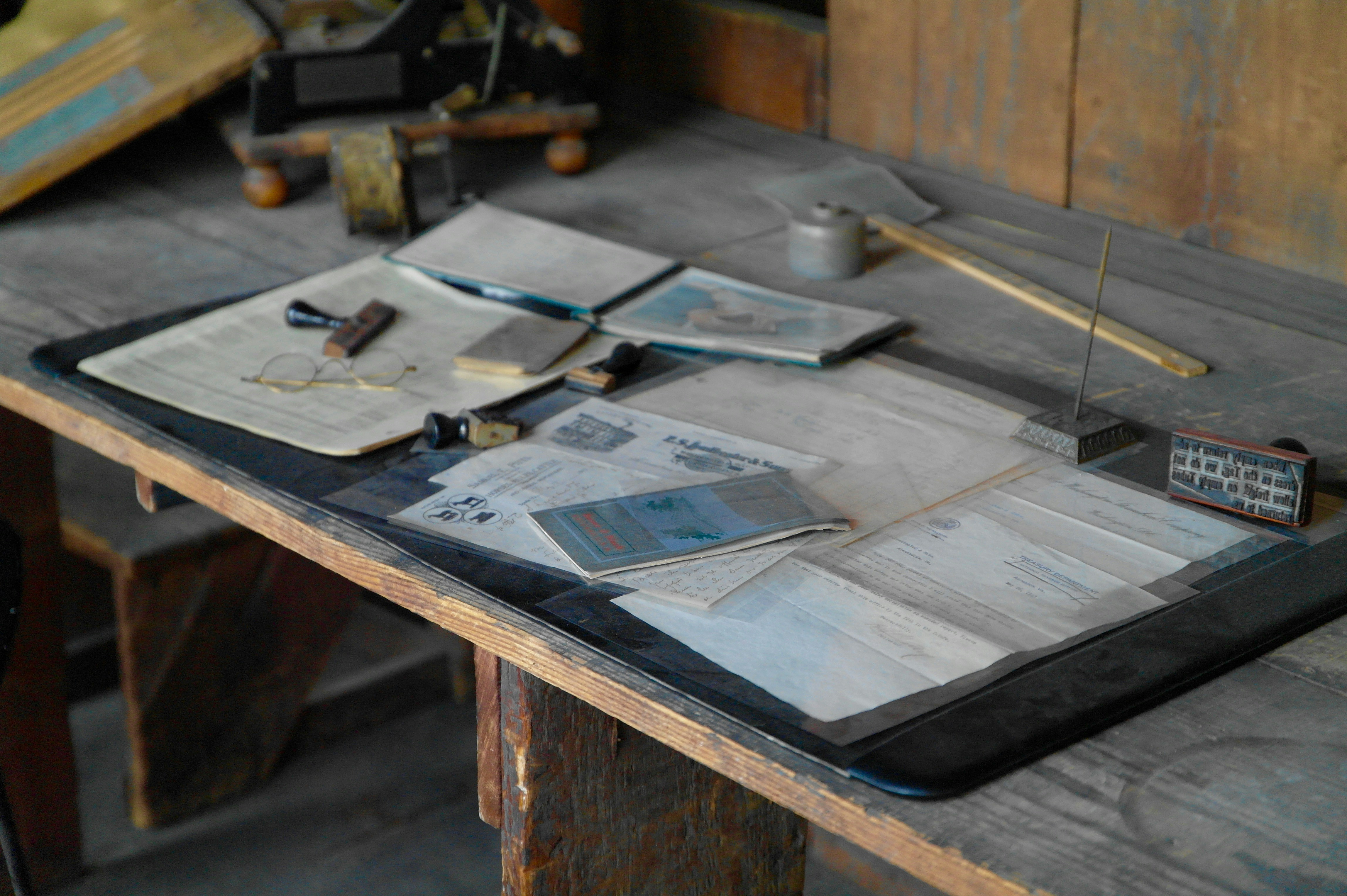
Each tool has a name, a purpose, a story. The bone folder – made from actual cow bone, polished by decades of use. The paring knife – German steel, inherited from Roberto's grandfather. The awl that's pierced ten thousand signatures.
The Process
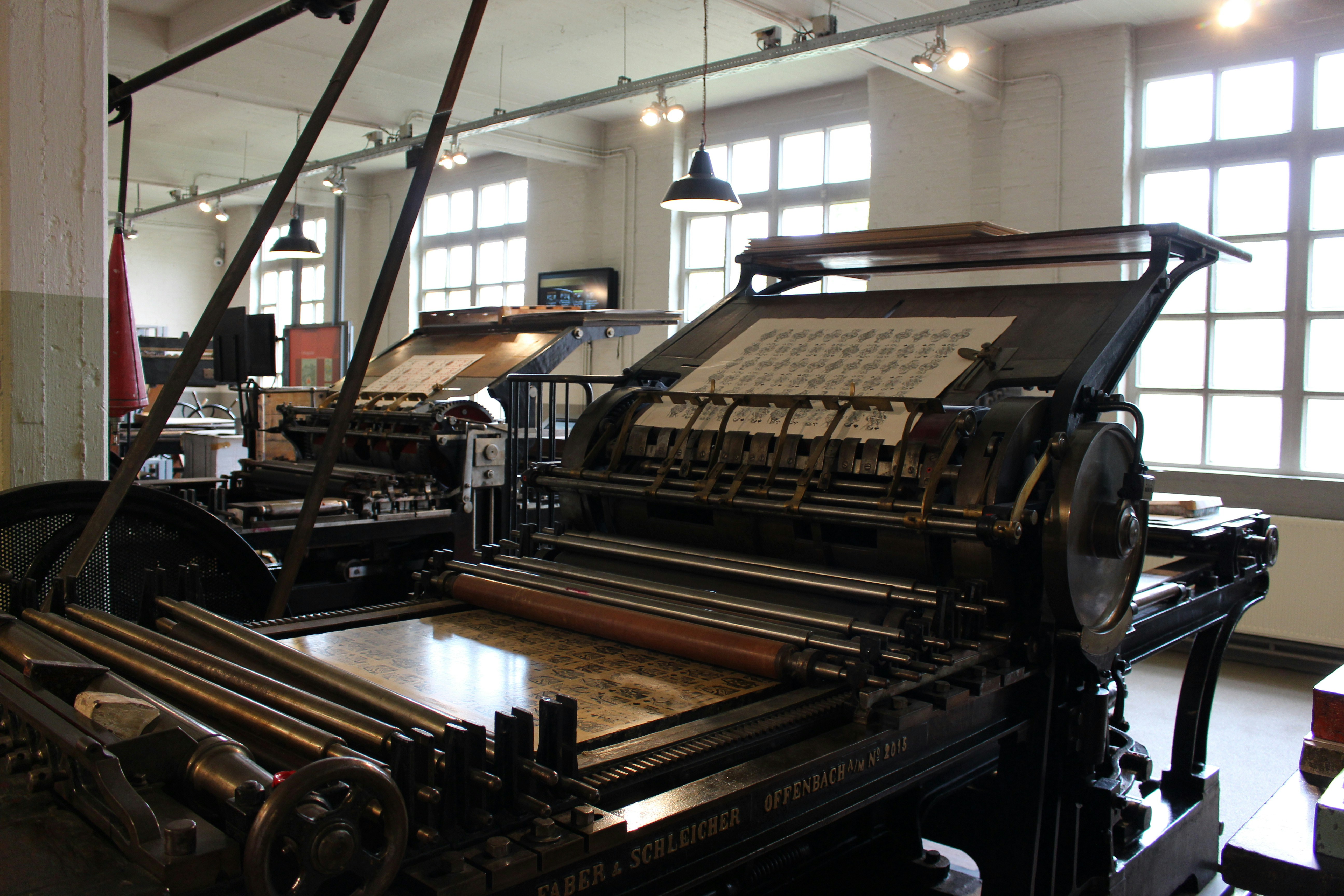
A book begins with folding. Each sheet, folded into quarters, becomes a signature. Roberto's hands move without thought. Fold, crease with bone, stack. Sixteen sheets per signature. Eight signatures per book.
The sewing frame hasn't changed since medieval times. Vertical cords, horizontal thread. Each signature attached to the next, then to the cords. The rhythm is meditative: in, across, out, around, through.
The Leather
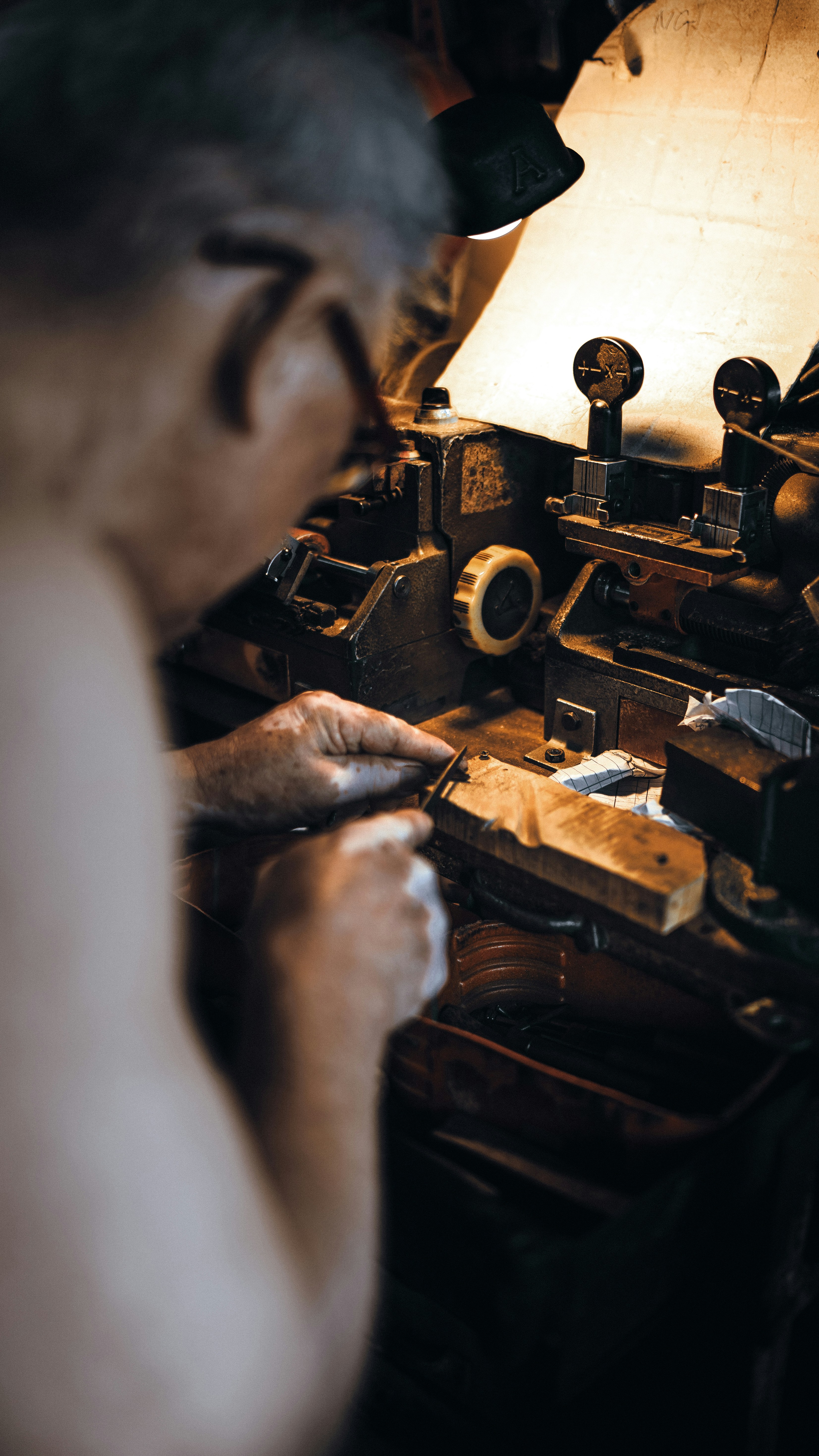
The leather arrives from a tannery outside the city that's been operating since 1498. Goatskin for strength. Calfskin for smoothness. Each hide examined for flaws, grain direction, thickness.
Roberto thins the edges with a spokeshave older than Italy. The leather must bend without breaking, wrap without bunching. It takes ten years to learn the feel.
The Gold
Gold leaf is still beaten by hand in the old quarter. Sheets so thin you can't breathe near them. Roberto heats the brass tools on the same gas flame his great-grandfather used.
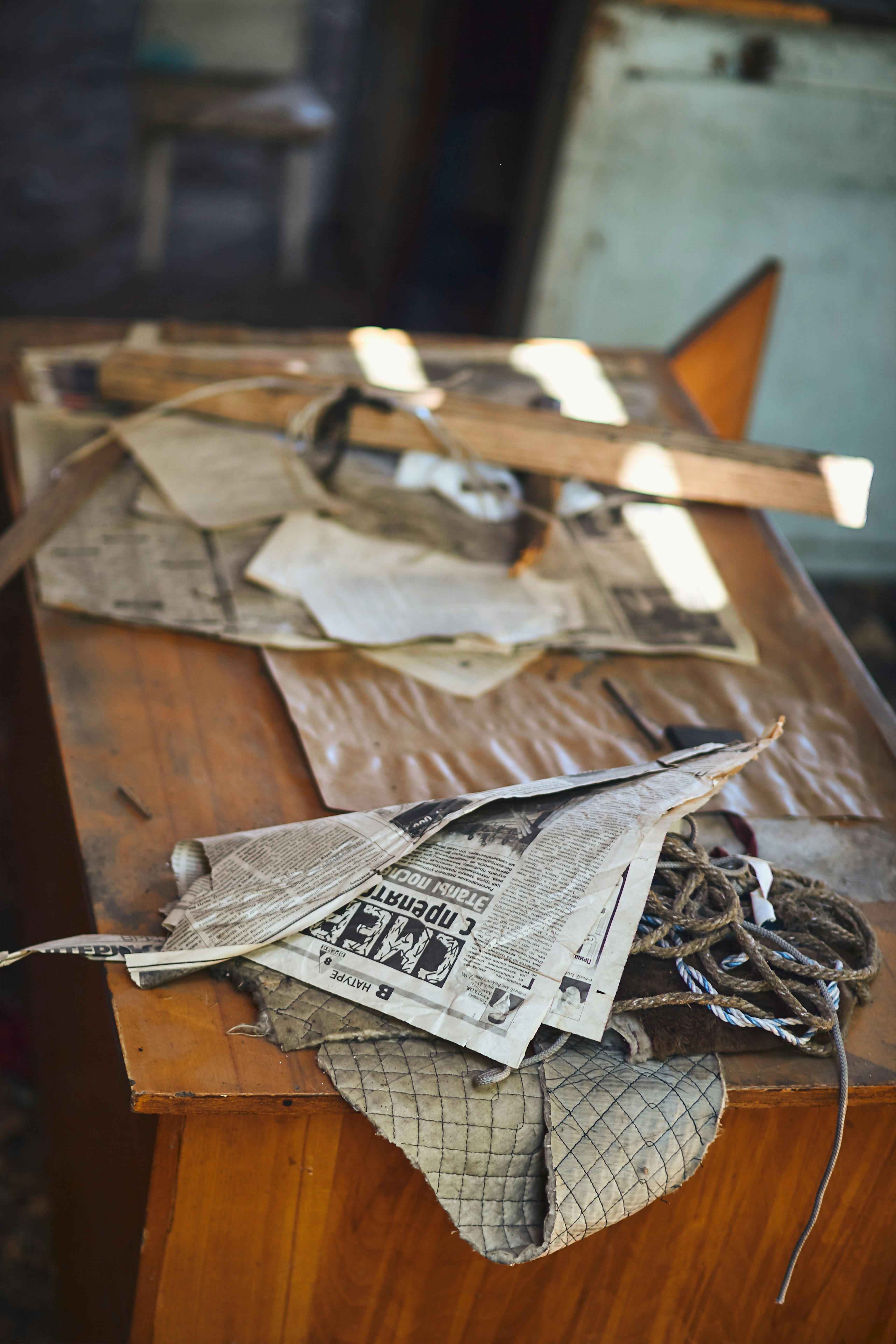
The temperature must be exact. Too cool, the gold won't adhere. Too hot, it burns the leather. Roberto knows by the sound the leather makes under pressure.
The Apprentice
Giulia is 23, has a degree in computer science, and chose this. She could make triple the money coding. Instead, she's learning to feel when thread tension is perfect.
"My friends don't understand," she says, not looking up from her sewing. "But there's something about making an object that will outlast everyone in this room."
The Clients
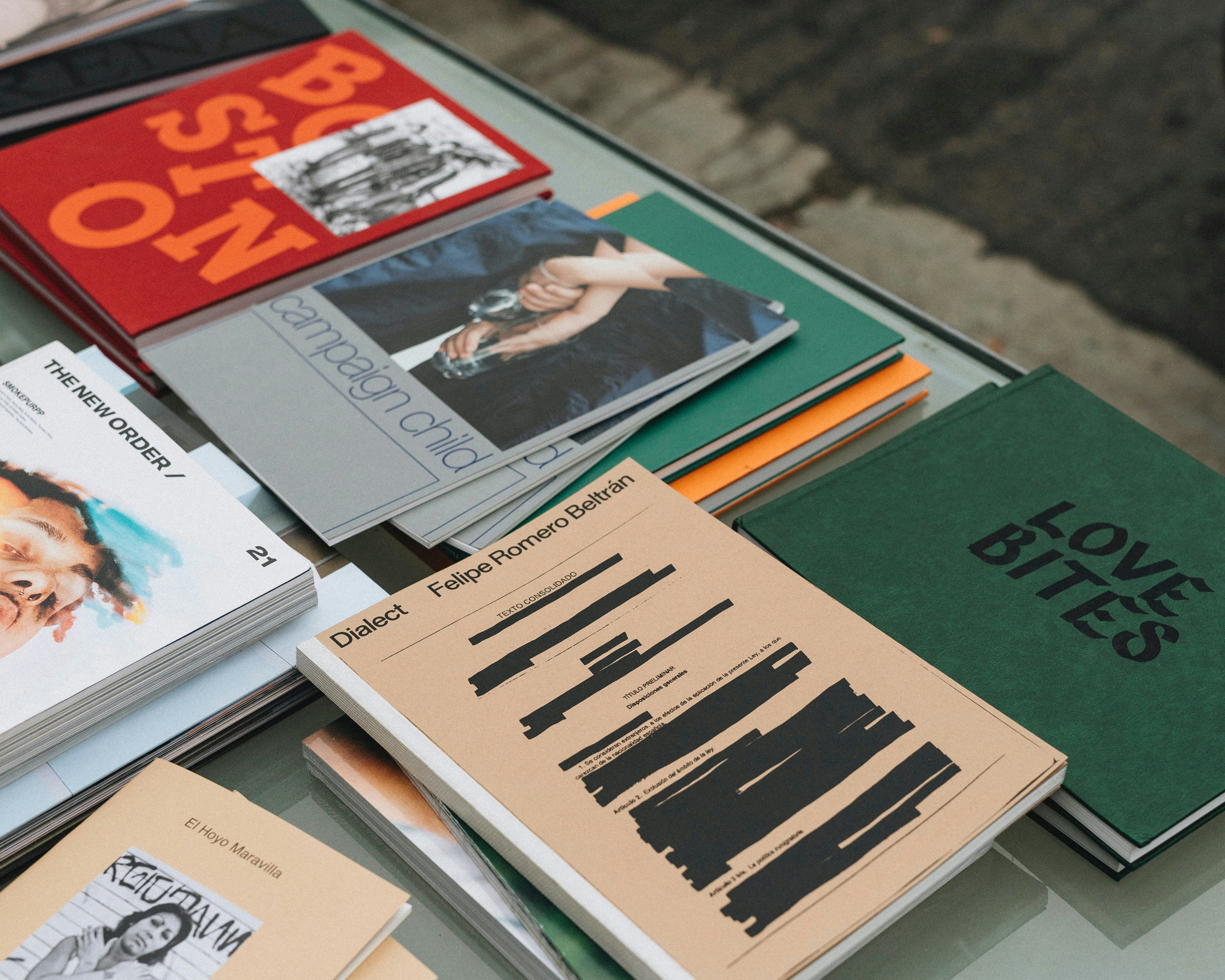
They come with family Bibles held together by prayer. Photo albums where the glue has failed. First editions worth more than cars. Doctoral dissertations that need to last forever.
Roberto charges what he charged twenty years ago. It's not about money. "If it was about money, I'd sell the building. Developers call every week."
The Future
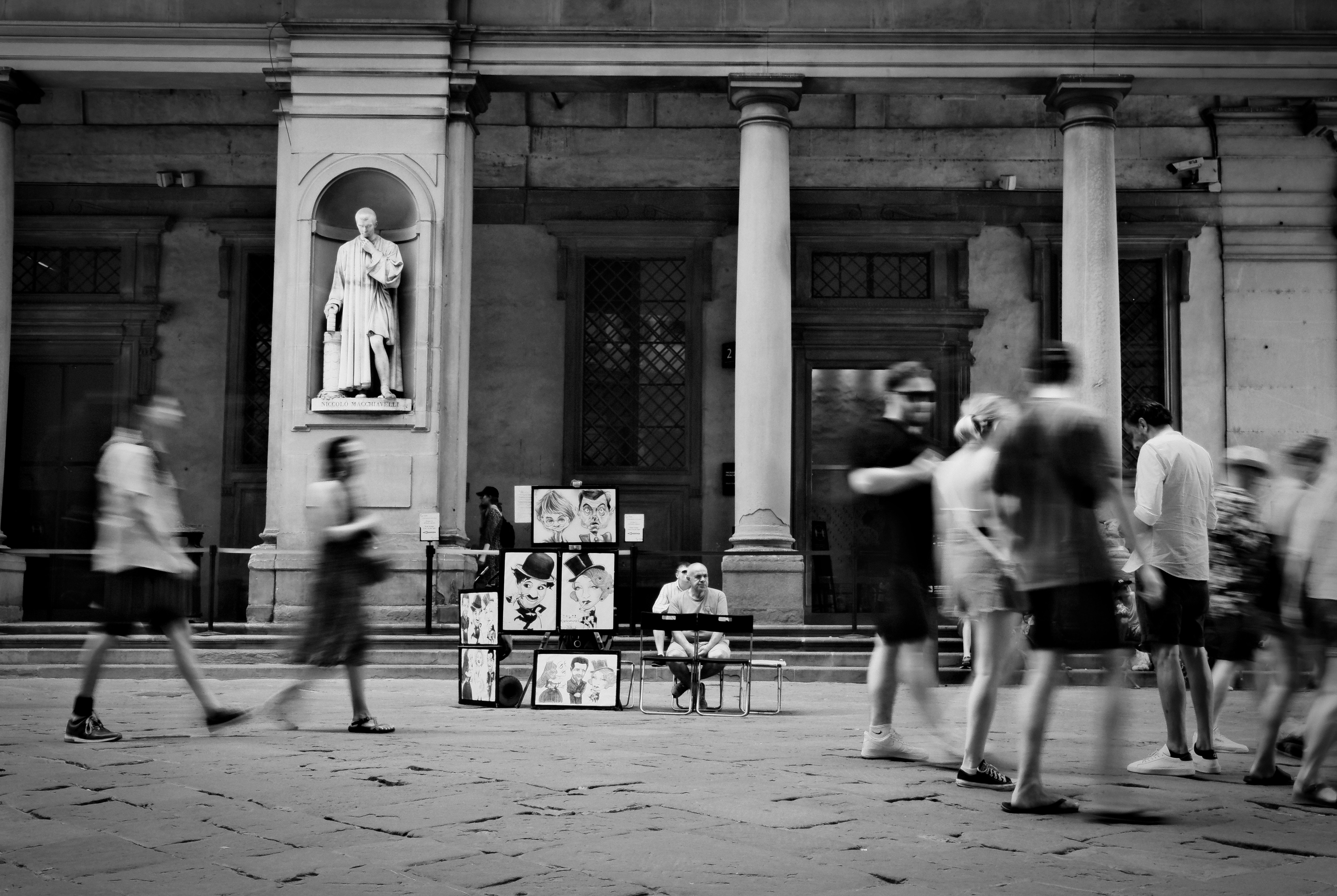
There are five traditional bookbinders left in Florence. Twenty years ago, there were thirty. The math is simple.
But Giulia sees it differently. "Everyone said vinyl was dead too. Then it came back. People want real things again. Things with souls."
Roberto locks the door at 7 PM. Tomorrow, he'll unlock it at 7:30 AM. As his father did. As his grandfather did. As, maybe, Giulia will.
The books they make will outlive them all. In a world of planned obsolescence, that's rebellion enough.